Branching Development
Plant Branching
A Comparison
About
PLANT SIZE & BRANCHING?
Plant development, including branching, is influenced by various factors, including genetics, environmental conditions, and cultural practices. Here's a brief description of how branching relates to plant development: More on branching.
Watch and look for "good" branching development in seedling plants before you buy.
Branching refers to the formation of Lateral shoots or stems from the main or primary stem of a plant. This process plays a crucial role in determining the overall shape, size, and structure of a plant. Branching can be influenced by genetic factors, with some plant species naturally exhibiting a more branched growth habit than others.
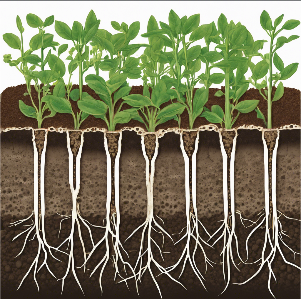 Environmental conditions such as light intensity, photoperiod, temperature, and nutrient availability also play a significant role in regulating branching. For example, plants grown in low light conditions may exhibit elongated stems with fewer branches, while those grown in higher light levels often develop shorter, bushier forms with more lateral branches.
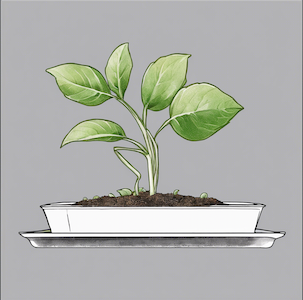 Cultural practices such as pruning, training, and spacing can also affect branching patterns in plants. Pruning can stimulate branching by removing apical dominance, the inhibitory effect of the terminal bud on lateral bud growth. Proper spacing between plants can encourage branching by reducing competition for light and resources.
 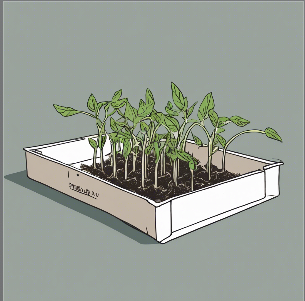 In the context of tray sizes, larger trays can provide more space for plants to branch out and develop lateral shoots, resulting in fuller, bushier growth. This can be advantageous for certain plant species, especially those that benefit from a more compact or branching growth habit, such as herbs, ornamental flowers, and some vegetable crops.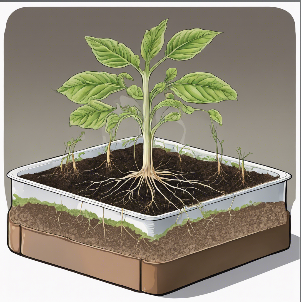
OTHER MARKET LINKS
LINKS TO GET YOU STARTED:
Eastern Market Flower Day - In Detail
Most Asked Questions - Most Asked Questions
All About Flower Day - All About Flower Day