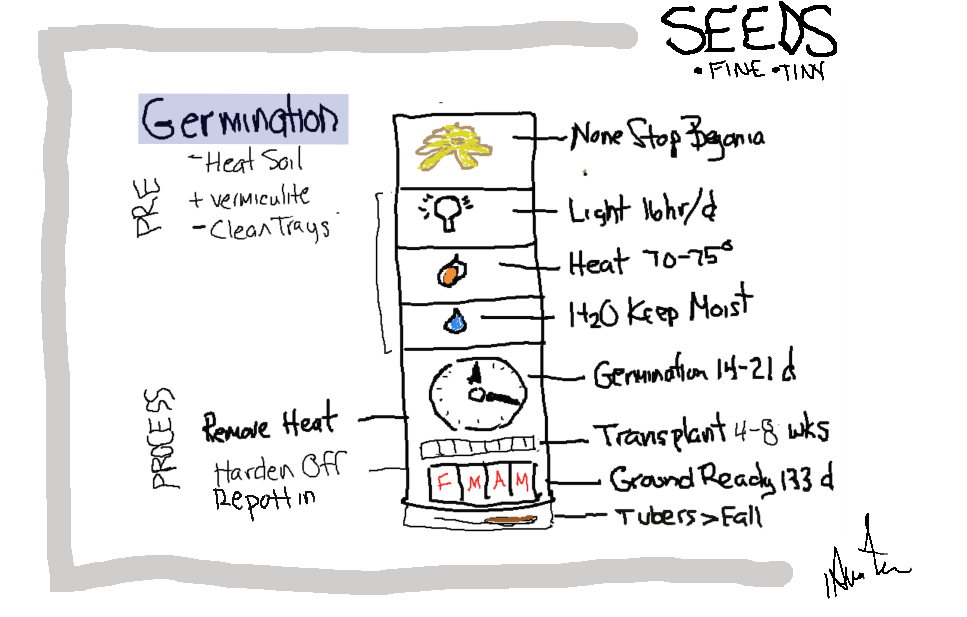
What to Plant • When to Plant • How to Grow
30 Year Eastern Market Guru Reveals Easiest Plants to Grow From Seed!
Tips For Growing the Prettiest Flowers & Best Vegetables!
What Seed to Plant • When to Plant Seed • How to Grow Seed
SEED 1 ZINNIAS
GEORGIA COLLARDS
BEGONIA FROM SEED
EASIEST GARDEN PLANTS TO GROW
Actually, some of the prettiest garden plants to grow, are some of the easiest to start from seed. Merigolds, Zinnias, Alyssums to name a few.
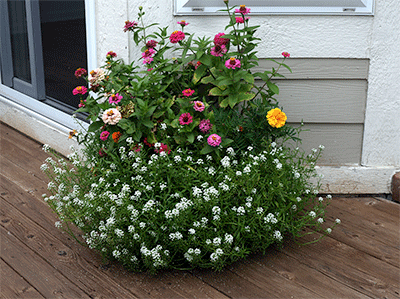
You can pay pennies for seeds and, you can grow your own favorite color of flower every year without searching all over town looking for a specific flower that might be as easy to grow as taking out the garbage.
Even some prolific gardeners are unaware how little effort is required–this is due to most of the years buying garden flowers in flats–as I mydelf did. Their are many easy to start and grow annuals. I mean gardeners have the option to start the seeds early indoors around mid-March, or wait until early summer after outdoor temperatures stabalized in the 60° range. However, you can start seed germination indoors as early as the first of January, so that by the time mid-summer planting season is in full swing, you are transplanting some very large and mature bedding plants and vegetable plants to the garden. Instantly filling your containers, baskets, pots, deck baskets etc.
WHAT ARE ZINNIA SEEDS
 I have sown zinnia seeds in containers as late as mid-March, and enjoyed full bloom flowers around the Forth of July! No hole digging, or back breaking seedling planting, just drop a few seeds into the potting soil, cover with about quarter inch of peat or soil... and that' it. Keep soil moist–never let dry out–and... presto, big, beautiful blooming flowers in any color of your choosing and various sizes to coordinate the landscape.
WHEN TO PLANT ZINNIA SEEDS?

Depending on the size of plant you wish to have when summer arrives:
Start seeds indoors in Mid-March for transplanting outside in Mid May–weather permitting–sometimes May can be cool until end of the Month.
Or, wait till summer when the weather has stabalized in the 60-70° range.
HOW TO GROW ZINNIA SEEDS?

Super easy, almost effortless:
if started indoors, just keep moist and fertilized–a weak concentration of Miracle grow will do.
plant size? start in standard flats, plastic cups, or large pots.
you can see blooms as early as 1-2 months after planting.
Just drop seeds into your favorite containers and sprinkle some seed into various flower beds and watch the magic unfold and bloom into a garden of wonderful, theraputic colors.
Hint: For best performance results it is best to first complete standard ground preparation: soil loosing, fertilizing, watering etc.
ZINNIA COLORS?
Hundreds of colors from white to dark, pastels to neon fluorescents.
ZINNIAS HEIGHTS?
Plants are cultivated to grow from six inches up to three feet tall.
TYPES OF PLANTS?
Zinnias are found in a size range from as small as one inch wide called thumbelina, on up to gigantic 3-4 inch wide blooming heads.
Growing Tuberous Begonias From Seed
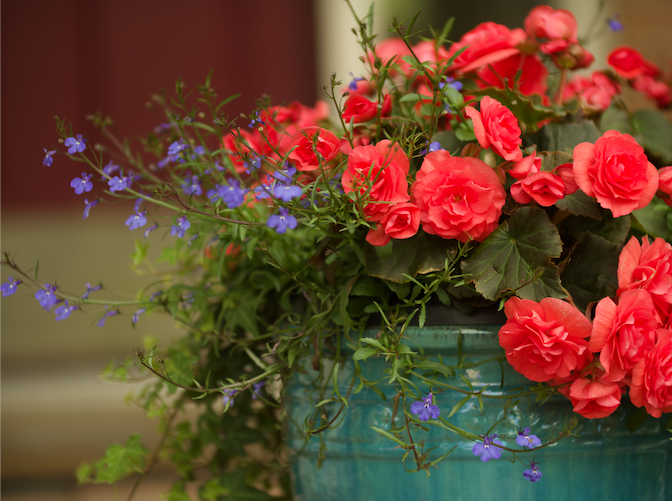
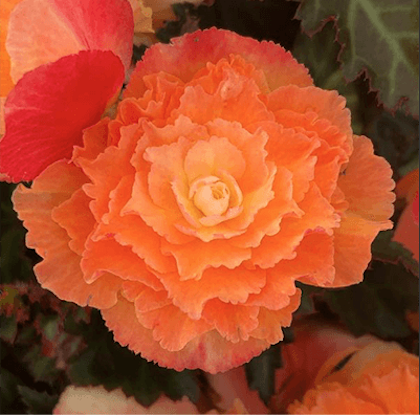
Germination Cheat Sheet
Tuberous begonias can be grown successfully from seed, but they require patience, attention to environmental conditions, and careful handling during early growth stages. Because begonia seeds are extremely small (dust-like), precision in soil preparation, moisture control, and lighting is critical for strong germination and healthy plant development.
Pre-Steps: Soil & Preparation
Hot Cleaning the Soil (Sterilization)
- Purpose: Eliminates fungus, mold, insect eggs, and harmful bacteria that can kill fragile seedlings.
- Boiling Water Method:
- Place soil or seed-starting mix into a heat-safe container.
- Pour boiling water slowly through the soil until fully saturated.
- Allow soil to cool completely before planting.
- Torch Burn Method (Advanced Option):
- Lightly pass a propane torch across the surface of pre-moistened soil.
- Do NOT burn deeply into soil—surface sanitation only.
- Allow soil to cool before sowing seeds.
Using Fine Soil
- Use a fine-textured, sterile seed-starting mix.
- Avoid chunky bark or large organic debris.
- Fine soil ensures seeds maintain surface contact required for germination.
Fine Vermiculite
- Apply a very thin layer after sowing seeds.
- Helps retain moisture without blocking light.
- Improves humidity stability around seeds.
3 Main Growing Essentials
1. Light
- Begonia seeds require light to germinate. Do NOT bury seeds.
- Provide 14–16 hours of bright indirect or artificial light daily.
- Use LED or fluorescent grow lights positioned:
- 4–8 inches above seedlings
- Avoid strong direct sunlight that can dry or overheat seedlings.
2. Heat
- Ideal germination temperature:
- 70°F – 75°F (21°C – 24°C)
- Heat mats are highly recommended during germination and early growth.
- Maintain consistent temperature fluctuations no greater than 5°F.
3. Moisture
- Moisture is extremely important due to the tiny seed size.
- Soil must remain:
- Consistently moist
- Never waterlogged
- Use bottom watering or fine mist spraying.
- Humidity domes or plastic covers help maintain moisture.
- Vent daily to prevent mold and damping-off disease.
Step-by-Step Growing Process
- Prepare sterilized, fine seed-starting soil.
- Fill shallow trays or containers with soil.
- Lightly moisten soil before planting.
- Sprinkle seeds evenly across surface.
- Do NOT cover seeds with soil.
- Lightly press seeds into soil surface.
- Add a very thin layer of fine vermiculite (optional).
- Cover container with humidity dome or plastic wrap.
- Place under grow lights and on heat mat.
- Monitor moisture and ventilation daily.
Time Estimates & Growth Milestones
Germination Time
- Typical germination occurs in:
- Some varieties may take up to 35 days.
When to Start Repotting
- Begin transplanting when:
- Seedlings develop 2–3 true leaves
- Approximately 6 – 8 weeks after germination
- Use small individual pots with fine potting mix.
- Handle seedlings carefully by leaves, not stems.
When to Remove Heat Pad
- Heat pad can usually be removed:
- After strong seedling establishment
- Typically 8 – 10 weeks after germination
- Gradually reduce temperature to avoid shock.
Hardening Off Seedlings
- Begin hardening off:
- 2 weeks before outdoor transplant
- Gradually expose plants to:
- Outdoor light
- Wind
- Temperature changes
- Start with 1–2 hours outside and increase daily.
Outdoor Transplant Timing
- Transplant outdoors only after:
- All frost danger has passed
- Night temperatures remain above 50°F (10°C)
- Use local last frost date as reference.
- Choose partial shade or filtered sunlight locations.
Additional Tips for Success
- Label varieties early — seedlings look identical.
- Maintain strong air circulation after germination.
- Avoid overwatering which causes root rot and fungal disease.
- Expect flowering in approximately 5–6 months from seed.
TRUE GEORGIA COLLARDS

Collards are some of the most nutritious vegetables in the entire plant kingdom. They are also another easy garden plant to grow.
Gardening is the only guarantee that your food is chemical free and organically clean. Collards will introduce a level of prevention into your food supply.

COLLARD HEALTH BENEFITS
Loaded with minerals and nutrients with phytochemical properties, collard greens are ready to help you combat free radical impurities—from its several rich antioxidant nutrients and help to improve disease resistance.
Collards are a key super food for those that are serious about a diabetes prevention program. The health benefits of collard greens are numerous and well documented.
Collard Greens Are Loaded With Disease Prevention!
A regular high intake of collard greens, has been proven in multiple clinical trials to improve several serious health conditions including:
- heart disease
- diabetes
- cancers
- prostrate
- pancreatic
- breast

Plants are cultivated to grow up to 3-4' height.
COLLARD SEEDS–PLANT CHARACTERISTICS
- Germination Rate 90%
- Planting Dept 1/4 in
- Temp 72°
- Maturity Size 3-4 ft.
- Maturity 3-4 mo
- Spacing 6-24"
- Location Shady-Full Sun

ALL COLLARDS ARE NOT CREATED EQUAL
- Vates
- Bunch
- True Georgia Collards-Collard King
HOW TO GROW FROM SEED:
1 - Soil
2 - Plant 1/4 inch
3 - Water
FERTILIZER:
1 - Cow Manure
2 - 10-10-10
3 - Organics
Other Links of Interest
Check the New Variety Flower Page
Everything about how to save money when shopping for garden flowers.
Eastern Market
More Saving Tools
Contact:
Publish Related Services - Latest Updates
I'm Listening - Submit to Editor, Ike Austin
Request - Flower Day Eastern Market - For Terms of Use or Link-to Permission
Copyright © 2017 Flower Day Eastern Market, All rights reserved.